Bee & Wasp Control in Charleston, West Virginia
Inquire
Contact Us
We will get back to you as soon as possible.
Please try again later.
Our Services
- Service 1
- Service 2
- Service 3
- Service 4
- Service 5
- Service 6
- Service 7
- Service 8
- Service 9
Safely Remove Bees And Wasps To Reduce Stinging Risks Nearby
Stinging insects create more than an inconvenience; they introduce safety risks that escalate quickly when nests form near homes, workplaces, or high-traffic areas. Bees and wasps aggressively defend nesting sites, making accidental encounters dangerous, especially for children, pets, and individuals with allergies. Advantage Pest Control Services approaches bee and wasp control with precision, responsibility, and structured execution, focusing on safe removal, risk reduction, and long-term prevention rather than reactive or disruptive solutions. Our methods prioritize occupant safety while addressing nesting behavior, seasonal activity patterns, and environmental conditions that allow stinging insects to return repeatedly.
We serve Charleston, West Virginia, as well as nearby communities including South Charleston, Dunbar, Nitro, and St. Albans. Properties throughout Kanawha County experience increased bee and wasp activity due to wooded landscapes, river corridors, warm summers, and mixed residential-commercial development. These regional conditions support nesting along rooflines, siding, eaves, decks, fences, and outdoor structures. Local insight allows control strategies to align with real environmental pressures, building styles, and seasonal trends rather than relying on generic or overly aggressive treatment assumptions.
Effective bee and wasp control requires more than knocking down visible nests. True resolution depends on accurate species identification, proper removal timing, safe treatment methods, and prevention planning that reduces future nesting opportunities. Our approach integrates inspection, targeted removal, structural assessment, and ongoing risk management to stabilize environments over time. By addressing both insect activity and contributing conditions, bee and wasp control becomes a proactive safety measure rather than a recurring hazard, protecting comfort, confidence, and peace of mind.
Our Bee & Wasp Control Services
Bee and Wasp Inspection
This service involves inspecting structures, rooflines, eaves, and outdoor areas for stinging insect activity. Identifying nest locations, access points, and risk zones establishes treatment scope, allowing control plans to address all active areas safely and efficiently without unnecessary disruption.
Species Identification and Risk Assessment
Species identification determines whether bees, wasps, hornets, or yellow jackets are present. Understanding behavior, nesting habits, and aggression levels guides removal strategies, ensuring treatments are appropriate, effective, and designed to minimize sting risk during service execution and follow up efforts.
Targeted Nest Removal
Targeted nest removal focuses on safely eliminating active nests using controlled techniques. This approach reduces insect aggression, prevents defensive swarming, and ensures nests are fully removed without damaging surrounding structures or increasing risk to occupants, visitors, pets, or nearby activity areas.
Structural Entry Point Assessment
This service evaluates structural features that allow nesting, including gaps, voids, and sheltered surfaces. Identifying vulnerabilities supports preventative planning, strengthens exclusion efforts, and reduces the likelihood of future nest establishment near occupied areas or frequently used exterior spaces.
Prevention and Deterrence Guidance
Guidance focuses on reducing conditions that attract stinging insects, including food exposure, waste management, moisture issues, and outdoor maintenance practices. Addressing these factors strengthens long term control, limits seasonal nesting pressure, and reduces repeated risk around residential and commercial properties.
Monitoring and Seasonal Prevention Planning
Ongoing monitoring tracks stinging insect activity and identifies emerging risks. Seasonal prevention planning adapts strategies to weather patterns, nesting cycles, and property conditions, ensuring continued protection during peak bee and wasp activity periods throughout the year.
Benefits of Professional Bee & Wasp Control
Reduced Sting Risk
Professional bee and wasp control reduces sting risk by eliminating active nests and aggressive insect populations. Targeted removal minimizes unexpected encounters, protects occupants and visitors, and restores safe movement around structures without relying on dangerous or ineffective do it yourself removal attempts.
Safe Nest Removal
Professional control ensures nests are removed using proper methods and protective measures. Safe removal prevents defensive swarming, limits accidental stings, and avoids structural damage caused by improper nest handling, rushed attempts, or incomplete removal that leaves insects active nearby.
Accurate Species Identification
Different stinging insects require different control approaches. Professional identification ensures treatments align with behavior patterns, nesting habits, and aggression levels, preventing misapplication that can increase risk, worsen insect activity, or fail to resolve infestations effectively.
Protection for High Traffic Areas
Bee and wasp control protects entryways, patios, decks, walkways, and outdoor work areas where activity poses greater danger. Eliminating nests near frequently used spaces restores usability, improves safety, and reduces liability risks for residential and commercial properties.
Controlled, Responsible Treatment
Professional bee and wasp control uses targeted methods designed to minimize environmental impact. Treatments focus on specific nests and activity zones, reducing unnecessary exposure while effectively resolving infestations without widespread disruption to surrounding areas or daily operations.
Long Term Prevention Stability
Structured bee and wasp control addresses nesting conditions, shelter points, and access areas. Preventative planning reduces future nest formation, stabilizes environments, and limits recurring seasonal problems that place occupants, visitors, and workers at repeated risk over time.
why choose us?
Certified Industry Expertise
I bring proven experience and proper certifications to every job, ensuring pest and termite treatments are performed correctly, safely, and to industry standards from the start.
Targeted Treatment Approach
I use limited, strategic pesticide applications designed to address the problem at its source while minimizing unnecessary exposure for your home, family, and environment.
Owner-Led Personal Service
As a small, locally owned business, I work directly with every customer, providing one-on-one service, clear communication, and accountability you won’t find with larger companies.
Eco-Conscious Product Selection
I prioritize high-quality, eco-friendly products that are effective against pests while being mindful of people, pets, and the surrounding environment.
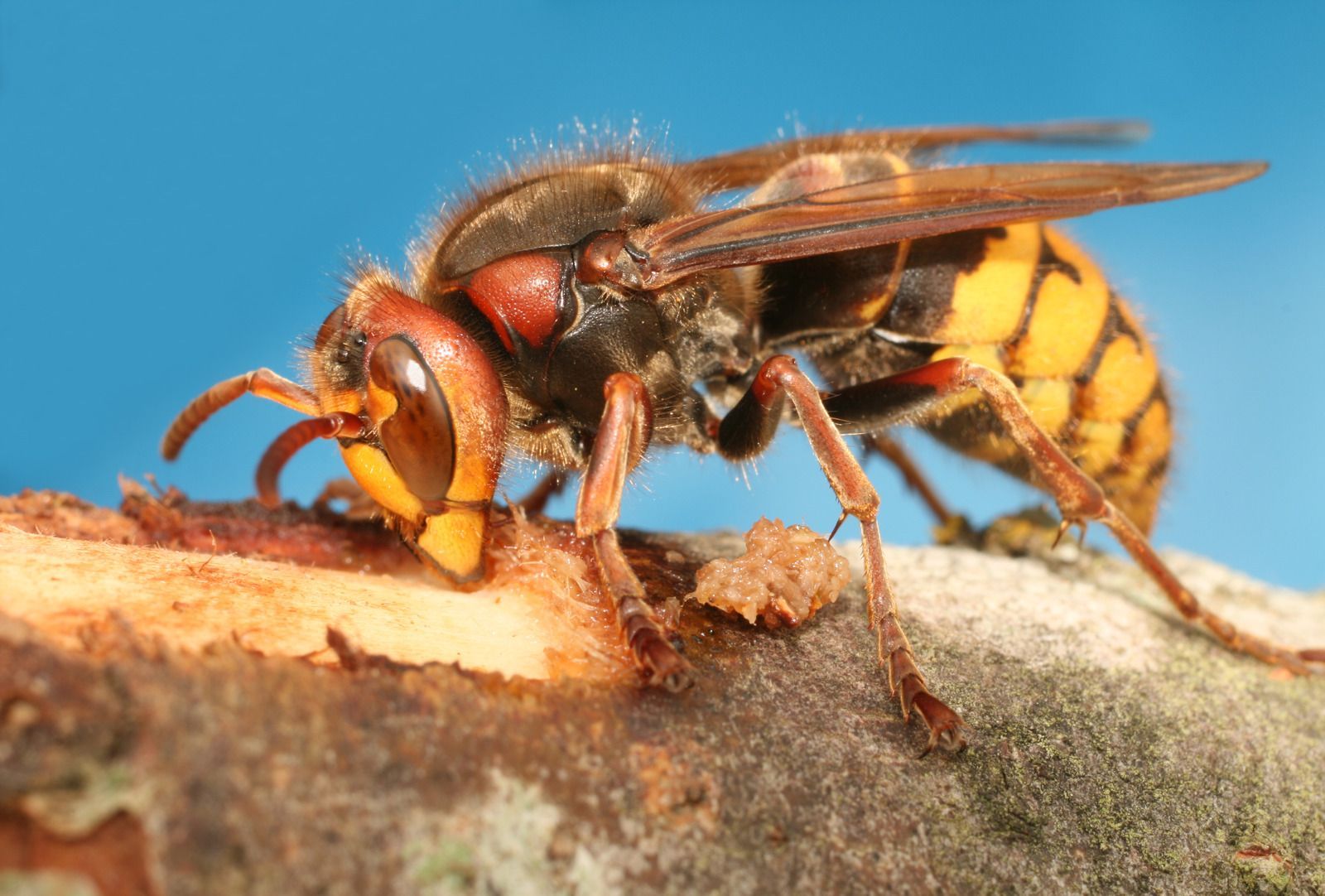
Professional Control Restores Safe Use Of Outdoor And Structural Spaces
Bee and wasp control demands careful planning, accurate identification, and disciplined execution to protect people and property from unnecessary risk. Effective management addresses active nests, aggressive behavior, and environmental conditions that support repeated activity and seasonal reinfestation. Advantage Pest Control Services delivers structured bee and wasp control designed to restore safety and confidence across Charleston, West Virginia, and surrounding communities. By combining inspection, targeted removal, and preventative planning, our approach resolves hazards responsibly while reducing future nesting pressure around occupied spaces. When bee and wasp control is handled correctly, outdoor and structural areas remain usable, safe, and free from constant concern. Long-term prevention supports consistent protection, limits seasonal disruption, reduces liability risks, and ensures environments remain secure, functional, and resilient against recurring stinging insect activity. This stability allows occupants to use exterior areas confidently while maintaining safer building conditions over time.
Frequently Asked Questions
How quickly can bee and wasp control reduce activity?
Bee and wasp activity often decreases immediately following nest removal. Complete resolution depends on species behavior and nesting conditions. Ongoing monitoring ensures remaining insects disperse properly and prevents new nests from forming in treated areas over time.
Are bee and wasp treatments safe for occupied properties?
Professional bee and wasp treatments are designed for use around occupied properties. Control methods focus on nests and active zones rather than open areas, minimizing exposure while effectively resolving stinging insect risks without disrupting daily activities.
Why do wasps become aggressive during removal attempts?
Wasps aggressively defend nests when they sense threats. Improper removal attempts trigger swarming behavior and increase sting risk. Professional control uses protective equipment, controlled methods, and proper timing to reduce defensive reactions during treatment safely.
Do bees and wasps return after nest removal?
Bees and wasps may return if nesting conditions remain favorable. Prevention planning addresses structural features, shelter points, and attractants that support nesting, reducing the likelihood of reinfestation after professional removal is completed successfully.
How does seasonal weather affect bee and wasp activity?
Warm temperatures increase bee and wasp nesting and aggressive behavior. Late summer often brings heightened activity levels. Professional control adapts timing and strategies based on seasonal patterns to maintain safety throughout peak activity periods.
Should nests be removed immediately once discovered?
Nests should be addressed promptly but removed professionally. Delayed action increases risk, while improper attempts cause aggression. Professional assessment ensures safe timing, correct removal methods, and effective resolution without unnecessary danger to occupants.
Is professional control necessary for large or hidden nests?
Yes. Large or concealed nests require specialized equipment, planning, and protective measures. At Advantage Pest Control Services in Charleston, West Virginia, control strategies address hidden nests safely without increasing risk to occupants or surrounding structures.
What makes professional bee and wasp control more reliable?
Professional bee and wasp control integrates inspection, identification, safe removal, and prevention planning. At Advantage Pest Control Services in Charleston, West Virginia, this structured approach delivers reliable results instead of dangerous, short term fixes that fail.