
Flea & Tick Control in Charleston, West Virginia
Inquire
Contact Us
We will get back to you as soon as possible.
Please try again later.
Our Services
- Service 1
- Service 2
- Service 3
- Service 4
- Service 5
- Service 6
- Service 7
- Service 8
- Service 9
Protect People And Pets With Comprehensive Flea Tick Control Solutions
Fleas and ticks are more than seasonal pests; they are persistent parasites capable of spreading disease, disrupting comfort, and affecting both people and pets. Once established, these pests multiply rapidly, hiding in carpets, furniture, bedding, lawns, and shaded outdoor areas. Advantage Pest Control Services approaches flea and tick control with a structured, methodical process that prioritizes elimination, environmental management, and long-term prevention. Rather than relying on short-term suppression, our approach focuses on interrupting life cycles, addressing contributing conditions, and restoring safe, livable environments through disciplined control strategies.
We serve Charleston, West Virginia, along with surrounding communities including South Charleston, Dunbar, Nitro, and St. Albans. Properties throughout Kanawha County face flea and tick pressure influenced by humid summers, wooded surroundings, river corridors, pet activity, and dense residential development. These regional conditions create ideal habitats for fleas and ticks to thrive indoors and outdoors if left unmanaged. Local insight allows control strategies to align with real environmental factors, property layouts, and seasonal patterns rather than generic treatment assumptions.
Effective flea and tick control requires more than treating visible insects or relying on isolated applications. True resolution depends on identifying breeding areas, managing host activity, treating interior and exterior environments, and preventing reintroduction. Our approach integrates inspection, targeted treatments, habitat modification, and ongoing monitoring to stabilize environments over time. By addressing both the pests and the conditions that support them, flea and tick control becomes a proactive system rather than a recurring problem, protecting health, comfort, and peace of mind for occupants and pets alike.
Our Flea & Tick Control Services
Flea and Tick Inspection
This service involves inspecting interior and exterior areas for flea and tick activity. Identifying breeding zones, host pathways, and environmental contributors establishes infestation scope, allowing treatment plans to target all affected areas and prevent overlooked sources of ongoing activity within residential and commercial environments.
Interior Flea Control Treatments
Interior treatments focus on carpets, upholstery, pet resting areas, baseboards, and cracks where fleas hide. Targeted application disrupts breeding cycles, eliminates active populations, and ensures interior environments are treated thoroughly without unnecessary impact on occupants, furnishings, daily routines, or indoor air quality.
Exterior Flea and Tick Applications
Exterior treatments address lawns, shaded areas, vegetation lines, and perimeter zones where ticks and fleas thrive. Managing outdoor populations reduces indoor migration, limits exposure risks, and supports long-term control by addressing infestation pressure surrounding structures and commonly traveled exterior areas.
Life Cycle Disruption Treatments
This service targets flea and tick eggs and larvae using specialized treatment methods. Interrupting development stages prevents reinfestation cycles, ensuring infestations are resolved completely rather than recurring due to untreated immature populations surviving within indoor or outdoor environments over time.
Habitat and Host Management Guidance
Guidance focuses on reducing conditions that support flea and tick survival, including moisture control, vegetation management, sanitation, and pet related factors. Addressing these elements strengthens treatment effectiveness, limits reinfestation risk, and supports long-term prevention across residential and commercial properties.
Monitoring and Preventative Planning
Ongoing monitoring evaluates treatment success and identifies emerging risks. Preventative planning adapts strategies to seasonal conditions, pet activity, property usage, and environmental changes, ensuring flea and tick activity remains controlled over time and preventing future infestation development.
Benefits of Professional Flea & Tick Control
Rapid Population Reduction
Professional flea and tick control reduces active populations quickly by targeting adult insects, larvae, and breeding zones. Focused treatment disrupts life cycles, limits spread, and restores comfort without relying on repeated surface applications that allow infestations to rebound over time.
Protection Against Health Risks
Fleas and ticks transmit diseases and cause allergic reactions in people and animals. Effective control reduces exposure to parasites that spread pathogens, trigger skin irritation, and compromise wellbeing, supporting healthier indoor and outdoor environments across residential and commercial properties.
Complete Life Cycle Control
Professional treatments address fleas and ticks at every life stage, including eggs and larvae. Eliminating all stages prevents reinfestation cycles, ensuring infestations are resolved thoroughly rather than temporarily suppressed through incomplete, inconsistent, or improperly timed treatment methods.
Improved Comfort for Occupants and Pets
Flea and tick activity causes itching, irritation, and ongoing stress. Professional control restores comfort by eliminating biting pests, reducing anxiety, and allowing occupants and pets to move freely without continued discomfort, distraction, or fear of repeated exposure.
Safer, Controlled Treatment Application
Professional flea and tick control uses targeted application methods designed for occupied environments. Treatments focus on affected areas, minimizing disruption while effectively addressing infestations without unnecessary exposure or negative impact on daily routines, activities, furnishings, or household operations.
Long-Term Prevention Confidence
Structured flea and tick control combines inspection, treatment, and prevention planning into one system. This disciplined approach reduces recurrence risk, stabilizes environments, and ensures properties remain protected rather than requiring repeated corrective treatments for ongoing infestations over time.
why choose us?
Certified Industry Expertise
I bring proven experience and proper certifications to every job, ensuring pest and termite treatments are performed correctly, safely, and to industry standards from the start.
Targeted Treatment Approach
I use limited, strategic pesticide applications designed to address the problem at its source while minimizing unnecessary exposure for your home, family, and environment.
Owner-Led Personal Service
As a small, locally owned business, I work directly with every customer, providing one-on-one service, clear communication, and accountability you won’t find with larger companies.
Eco-Conscious Product Selection
I prioritize high-quality, eco-friendly products that are effective against pests while being mindful of people, pets, and the surrounding environment.
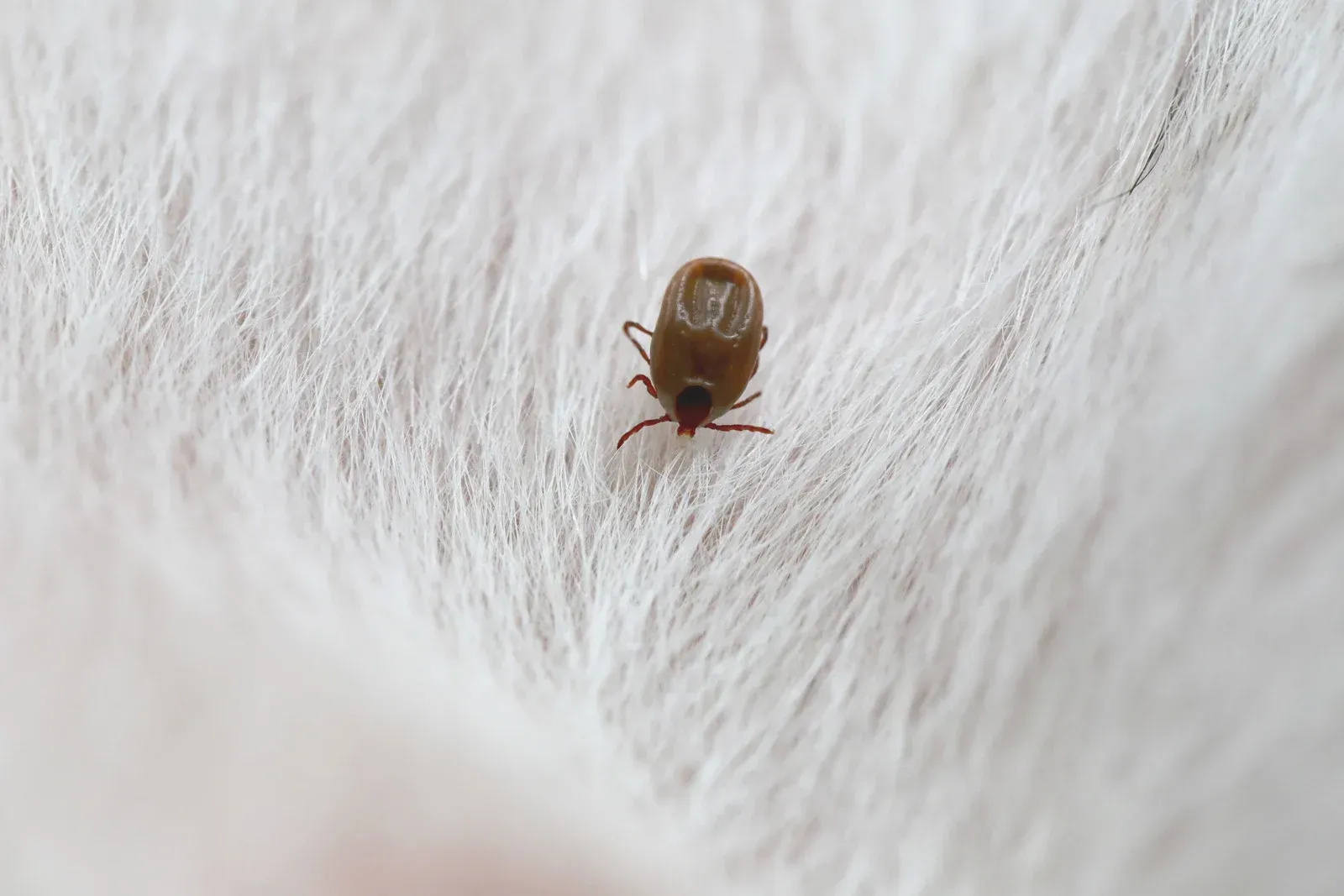
Long Term Flea Tick Prevention Supports Healthier Indoor Outdoor Living
Flea and tick infestations require precision, planning, and long-term prevention to achieve lasting results. Effective control addresses not only active pests but also hidden breeding zones and environmental conditions that allow infestations to persist unnoticed. Advantage Pest Control Services delivers disciplined flea and tick control designed to protect properties across Charleston, West Virginia, and nearby communities from recurring exposure risks. By combining targeted treatments, life cycle disruption, habitat management, and consistent monitoring, our approach restores comfort, protects health, and reduces reinfestation potential. When flea and tick control is handled correctly, occupants and pets regain peace of mind, properties maintain structural and sanitary integrity, and environments function without disruption. Long-term prevention supports healthier indoor and outdoor spaces, limits ongoing stress, reduces disease risk, and ensures properties remain comfortable, secure, and resilient against future flea and tick activity throughout changing seasons and environmental conditions.
Frequently Asked Questions
How quickly can flea and tick control reduce activity?
Flea and tick activity often decreases shortly after treatment begins. Complete control requires additional time to disrupt life cycles and address eggs and larvae. Monitoring and follow-up prevent populations from rebounding after initial reductions and ensure treatment effectiveness over time.
Are flea and tick treatments safe for occupied homes?
Professional flea and tick treatments use targeted application methods suitable for occupied environments. Treatments focus on affected areas instead of open surfaces, minimizing exposure while effectively addressing infestations. Preparation guidance helps maintain safety, effectiveness, and normal household routines throughout the treatment process.
Why do fleas and ticks return after treatment?
Fleas and ticks return when eggs, larvae, or outdoor sources remain untreated. Without full life cycle disruption and environmental management, infestations rebound. Professional control addresses these factors comprehensively, preventing recurring activity and reducing long-term infestation risk within treated environments.
Do pets increase flea and tick infestation risk?
Pets can carry fleas and ticks indoors and outdoors, increasing infestation risk. Effective control accounts for pet movement and resting areas, reducing exposure while supporting treatment success without harming animals, disrupting routines, or compromising overall household safety and comfort.
How does seasonal weather affect flea and tick activity?
Warm temperatures and increased humidity raise flea and tick activity levels. Seasonal weather influences breeding cycles and survival rates. Professional control adapts strategies throughout the year to maintain protection despite changing environmental conditions and outdoor exposure risks.
How often should flea and tick control be performed?
Service frequency depends on infestation severity, property conditions, and seasonal risk levels. Initial treatments may require follow-ups, followed by preventative maintenance plans that reduce future outbreaks, limit reinfestation potential, and prevent emergency pest situations.
Is professional control necessary for severe infestations?
Yes. Severe infestations require structured inspection and coordinated treatment across interior and exterior areas. At Advantage Pest Control Services in Charleston, West Virginia, strategies address all infestation sources together, preventing reinfestation and restoring comfortable living conditions efficiently and safely.
What makes professional flea and tick control more reliable?
Professional control integrates inspection, treatment, life cycle disruption, and prevention planning. At Advantage Pest Control Services in Charleston, West Virginia, this disciplined approach delivers lasting results instead of temporary suppression caused by incomplete, inconsistent, or improperly executed treatment methods.